Néctar Nómada
Go to the place. Work with the producer. Understand where it comes from.
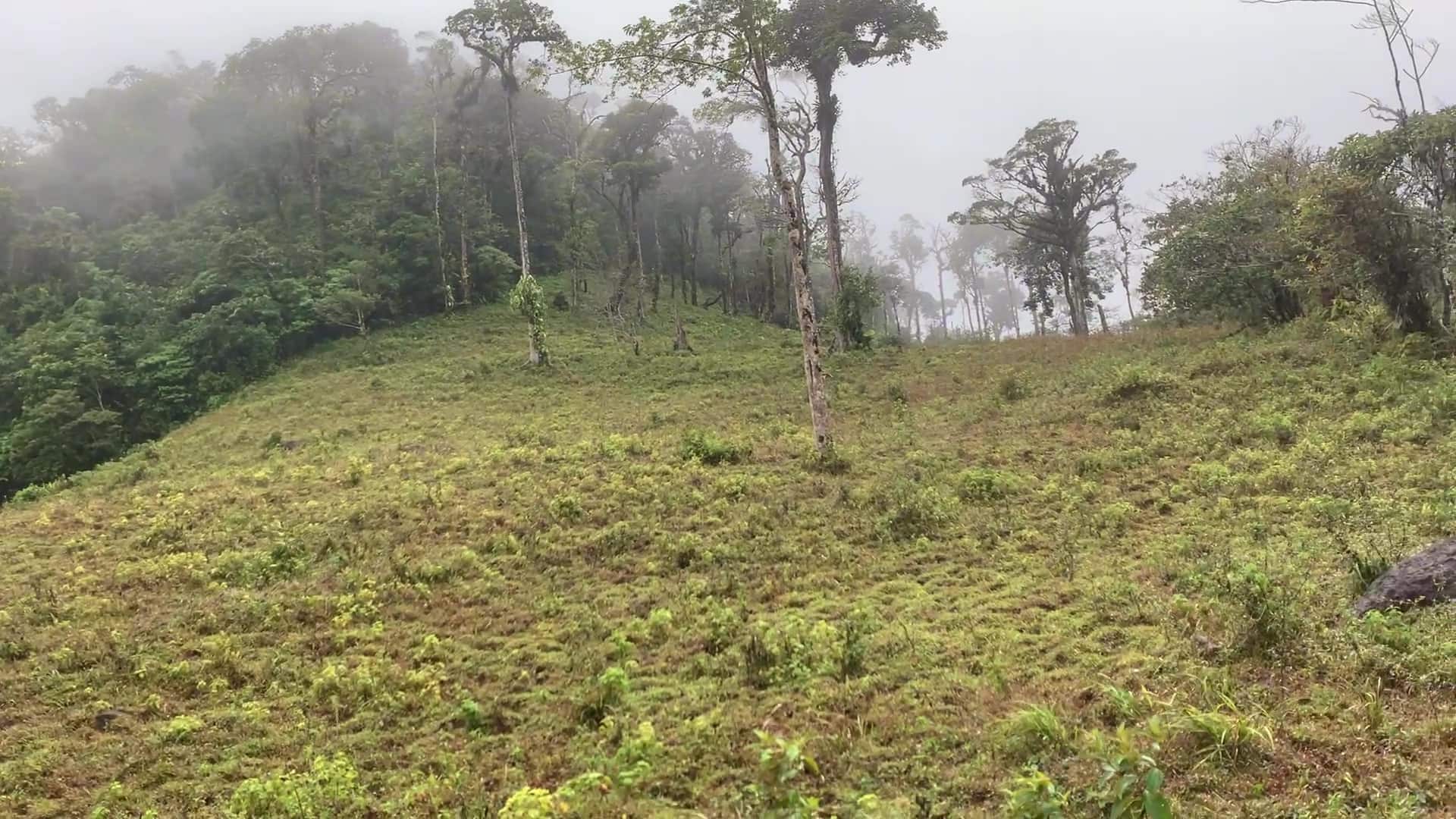
Cerro Tute, Santa Fe de Veraguas, January 2023
Néctar Nómada began between 2021 and 2022, travelling through Veraguas.
At the time there was no brand, and no plan to do everything we do today. It all started with trips through Santa Fe and toward Calovébora, going deeper and deeper into the countryside, getting to know the people and trying to understand what was produced in those places, and why.
It was during those trips that our path into beekeeping began too.
And with the bees came other questions. To understand a honey, tasting it wasn't enough. You had to know where it came from: what was flowering around the apiary, at what time of year, at what altitude we were, how the rains and the weather changed, what the bees were visiting. We started to see that a honey could tell quite a lot about the place it came from.
That's when we really started studying terroir.
We already came from the world of fermentation, so we naturally began connecting one thing with the other. Then came coffee, and the questions got even bigger: what changes because of the place, what comes from the raw material, what the producer does, and what we can change — or preserve — during processing.
Néctar Nómada grew around those questions.
Today we work with honey, coffee and fermentation; we run processing trials, sensory analysis and experiences; and we keep travelling across Panama, working directly in apiaries, farms and coffee mills.
Along the way we understood that it wasn't only about making a good honey, a good coffee or an interesting ferment. What interests us starts much earlier: in the place, in the people who work there, in the raw material, and in everything that happens before that product reaches our hands.
That's why we keep travelling.
Because some things can't be understood only from a cupping table, a bottle or a bag of coffee. You have to go to the place, walk it, talk to the people, work alongside those who know it, and keep asking questions.
That is still Néctar Nómada.
Go to the place. Work with the producer. Understand where it comes from.
Daniel Giráldez
Daniel Giráldez processes coffee, harvests honey and ferments what grows in Panama.