
Chicha
Landrace maize, the microorganisms involved, and the variants of chicha that exist in the country.
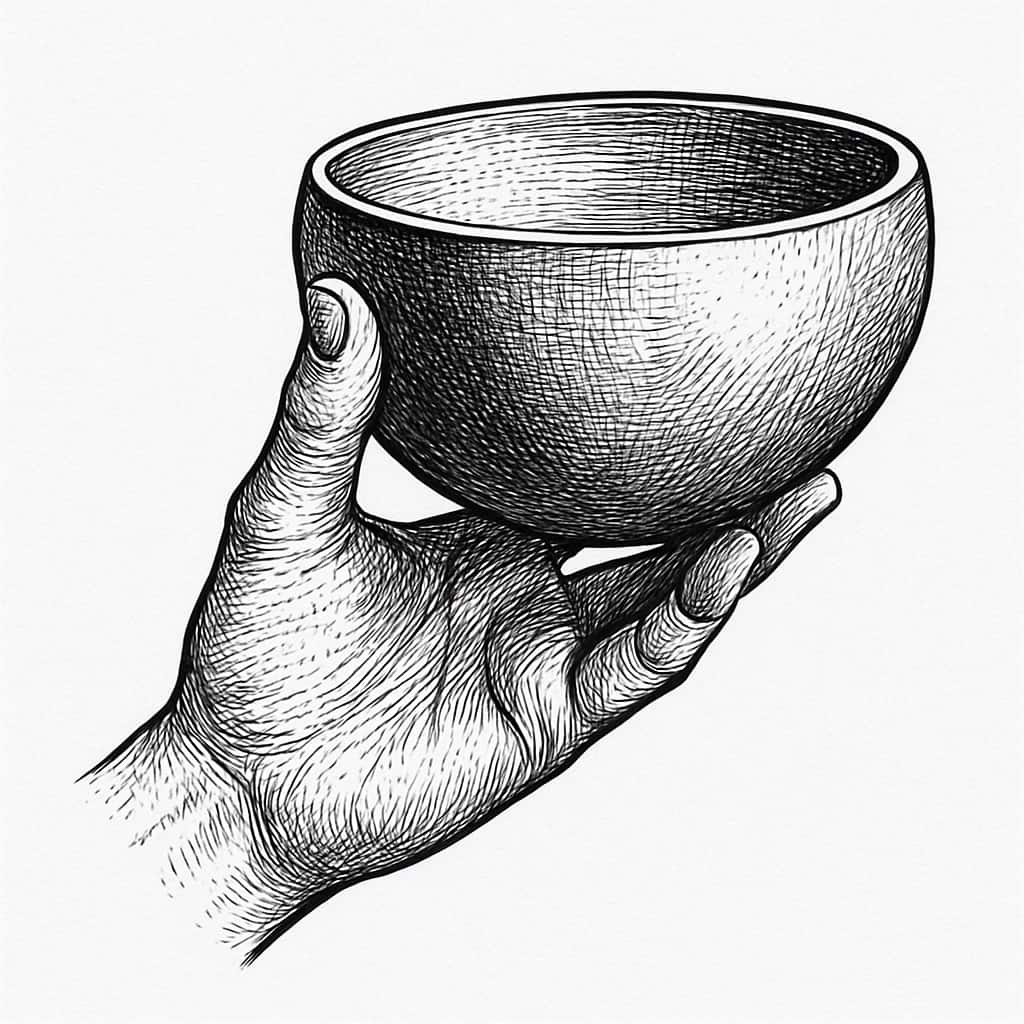
And I came back to the beginning. I am looking for landrace maize, studying the microorganisms involved, and working the variants of chicha that exist in the country. I make them in the field and send them to competitions.
Thirty years on I am still on the same drink. The difference is that now I know what I am looking at.
How it comes out. Germinated native corn, cooked over a wood fire in a pan for twenty or thirty hours. It is left to cool and from there it ferments on its own: it picks up wild microorganisms from the air, which eat the simple sugars from the starch and the corn and turn them into alcohol and gas. It comes out with bubble, refreshing and probiotic.
That gets shared with family and with the community. It is not born to be sold.
Out of that work came Chicha Power. It is not the same chicha: it is the brewery version, made at Cervecería Tres Gatos in Panama City, with wheat, barley and hops alongside the corn, and sixteen months in an American oak barrel. The field one gets shared; this one gets bottled.
Want to work on something like this? Message us on WhatsApp
How pineapple-peel chicha is made
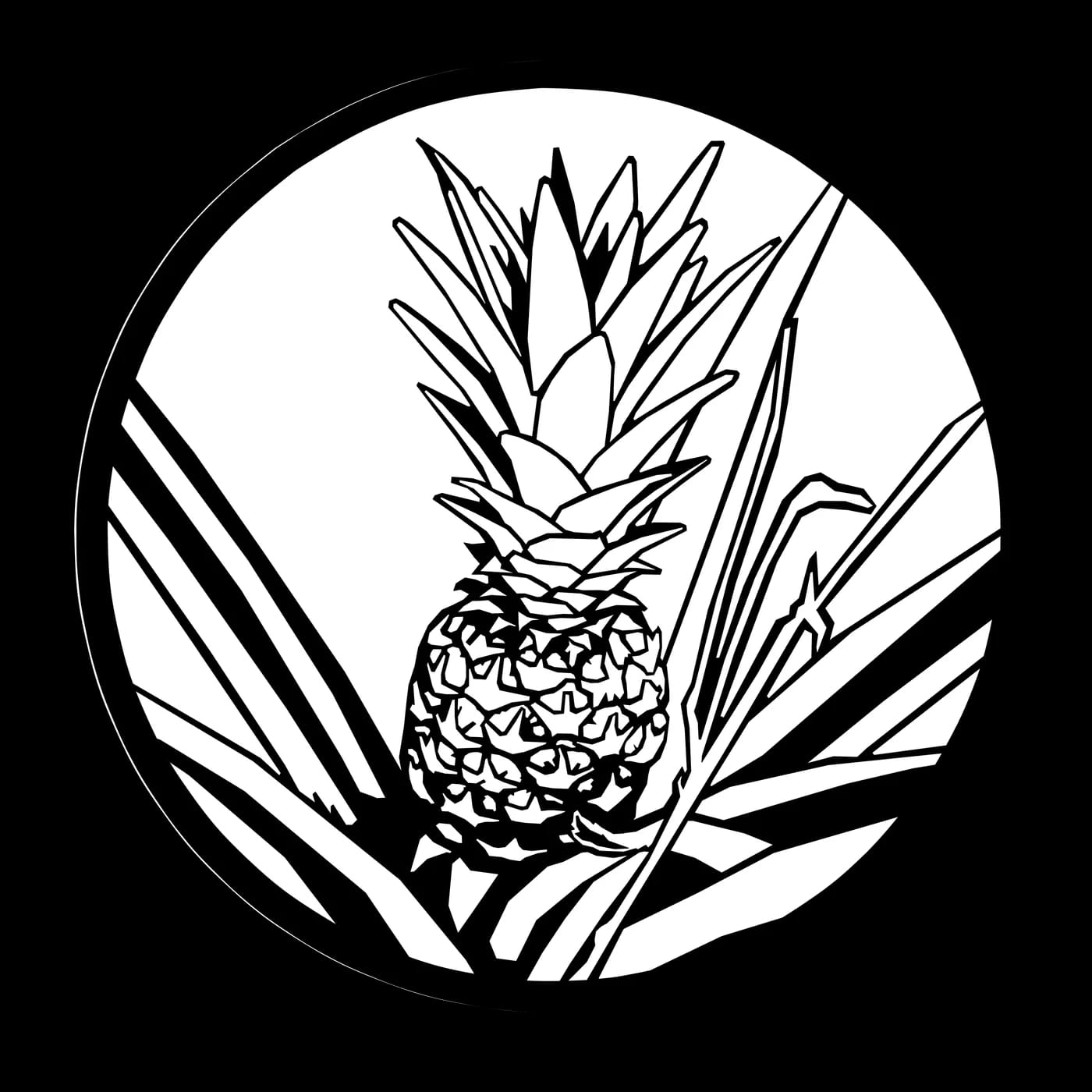
1Pick the pineapple.
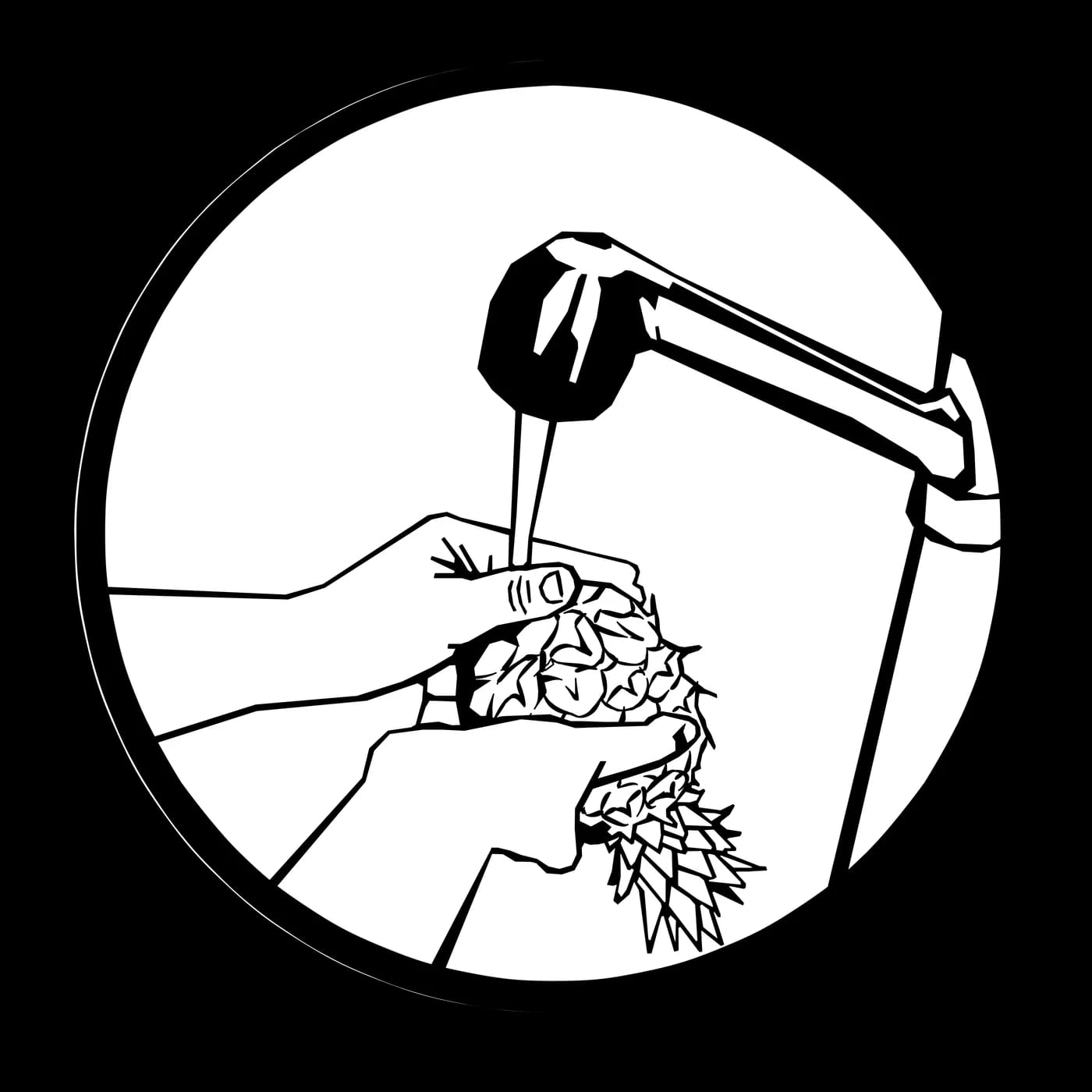
2Wash it whole, before opening it.
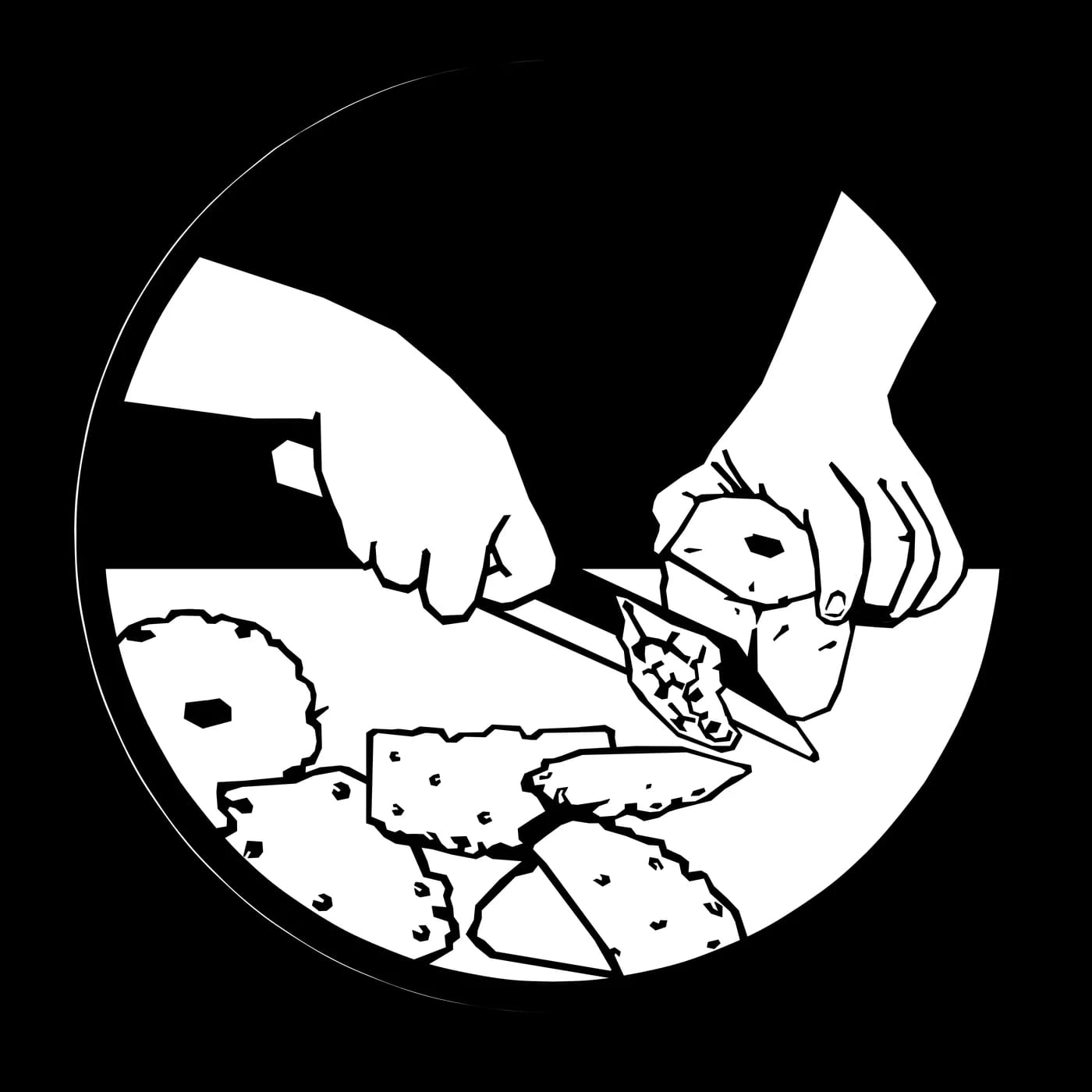
3Cut it: what you keep is the peel.
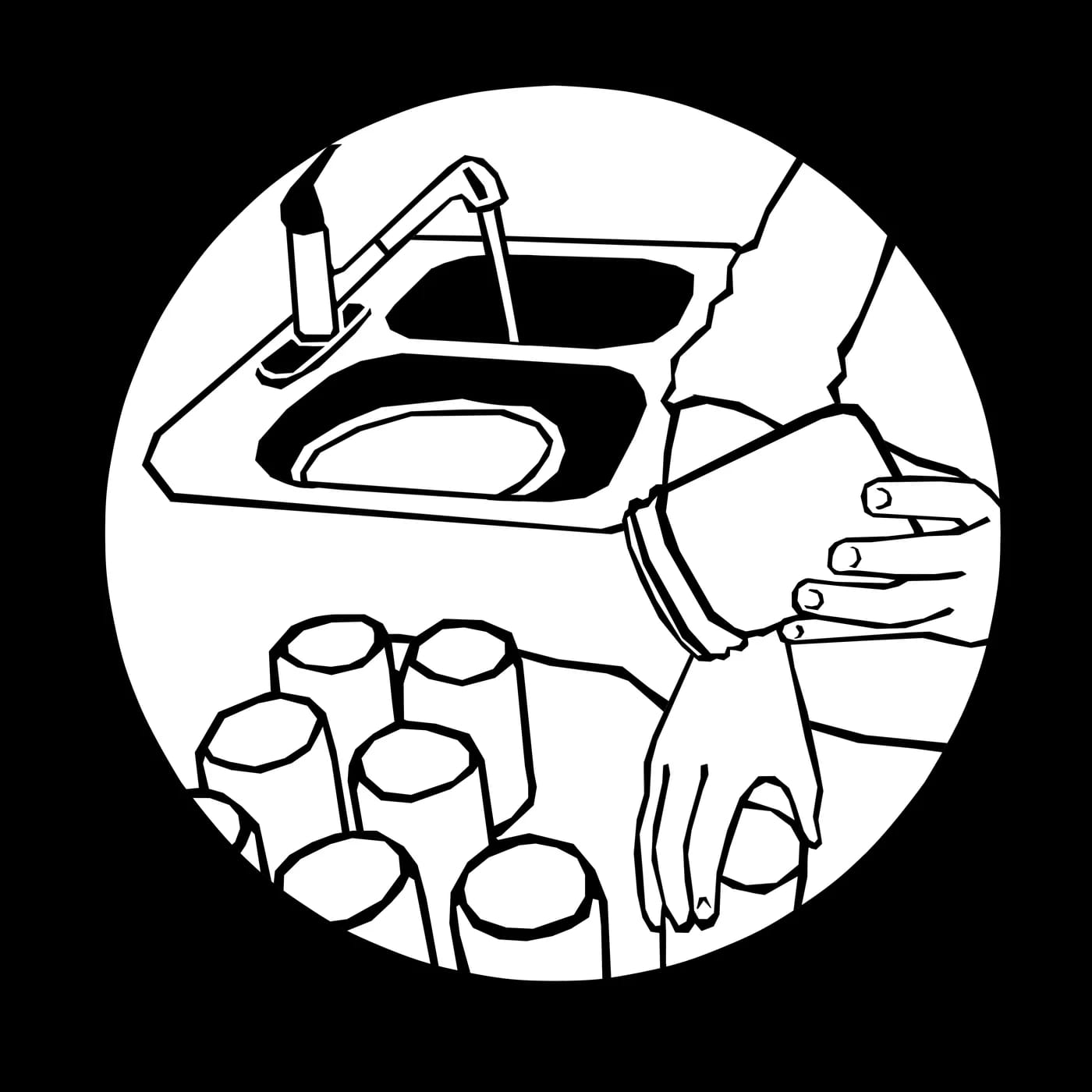
4The vessels get washed before anything else.
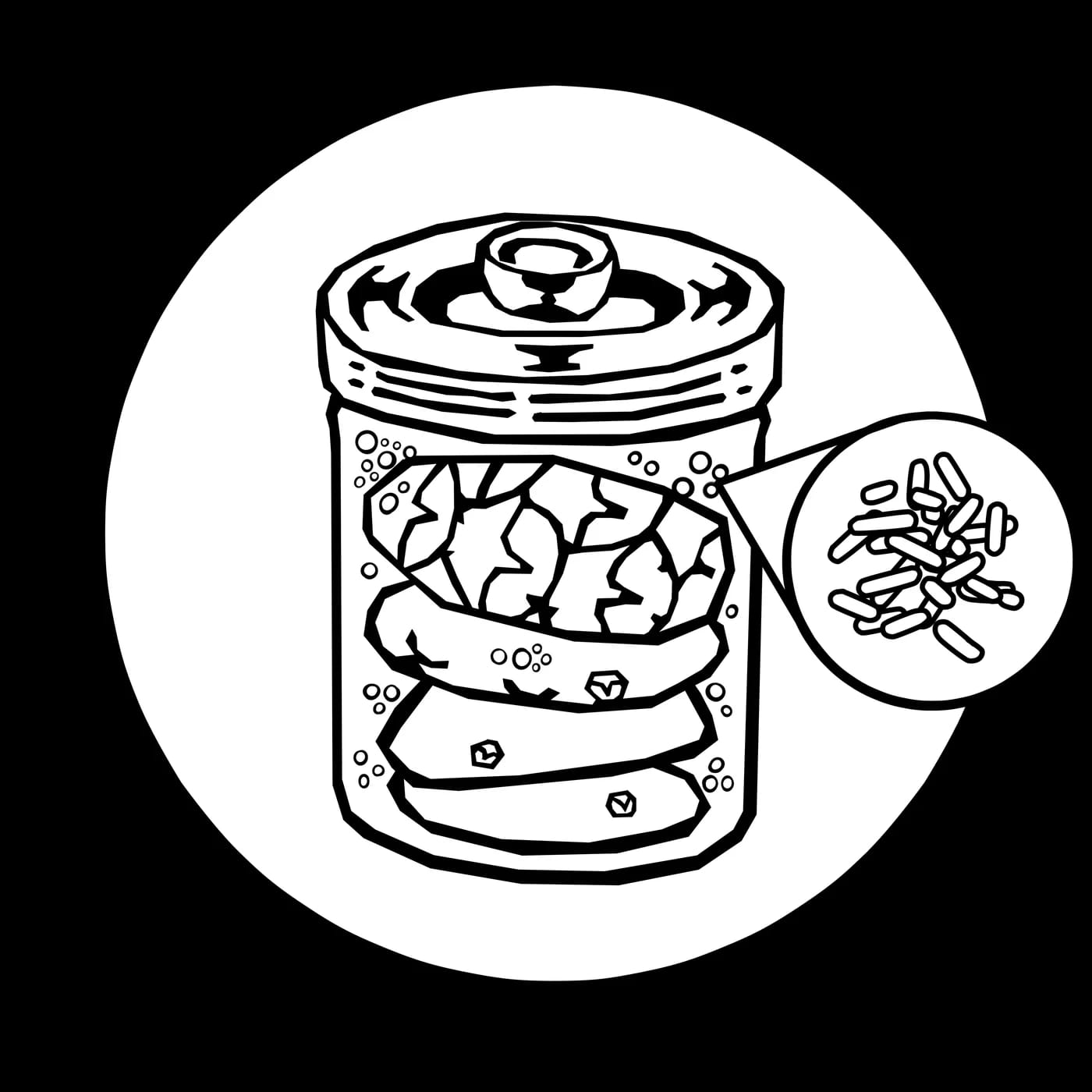
5The peel goes into the vessel, closed with an airlock. The magnified circle shows what works inside.
Illustrations: Oliver Chez
Follow the thread
Where it comes from, who works it, and what you can take home.
 Story · 1 March 2025
A chichería in Cuzco
The same drink told by other people: an afternoon in an Andean chichería, with the chalkboard, the barrel and the big glass.
Read the story Catalogue
Chicha Power
Chicha of new landrace maize, mixed and spontaneous fermentation, sixteen months in American oak barrel.
See in the catalogue